ASPHALT MILLING
SERVICES
(725) 220-1997
ASPHALT MILLING in Henderson, NV
Asphalt milling is a precise pavement rehabilitation process used to remove a controlled layer of existing asphalt without disturbing the underlying base structure. We use milling when a surface has become uneven, oxidized, rutted, or structurally tired on top, but the base layer beneath is still stable and worth preserving. Instead of full tear-out and reconstruction, milling allows us to reset the surface profile, correct elevation issues, and prepare the pavement for a new asphalt layer with a clean, uniform bonding surface.
In commercial and high-traffic environments, milling plays a critical role in maintaining proper grades and drainage. Over time, asphalt surfaces can develop high and low spots from settlement, repeated truck loading, or patchwork repairs that were added at different times. These inconsistencies can trap water, create hydroplaning risks, and accelerate further deterioration. Milling removes those irregularities to a precise depth, allowing us to re-establish consistent slopes toward drains, curbs, and runoff paths. It is also commonly used to correct tie-ins between existing pavement sections, such as where new paving meets old asphalt, concrete edges, or utility cuts, helping eliminate abrupt transitions and trip hazards.
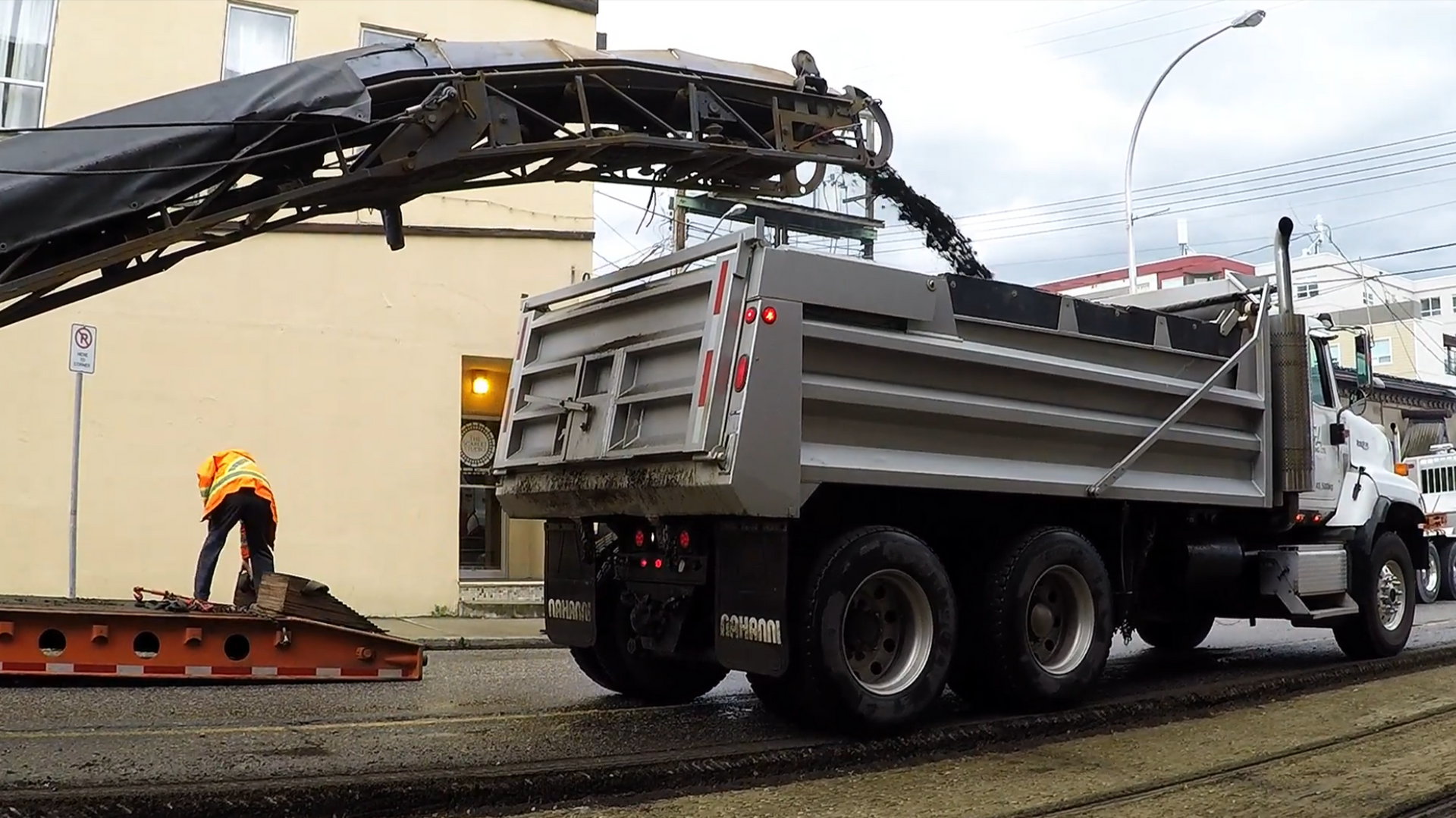
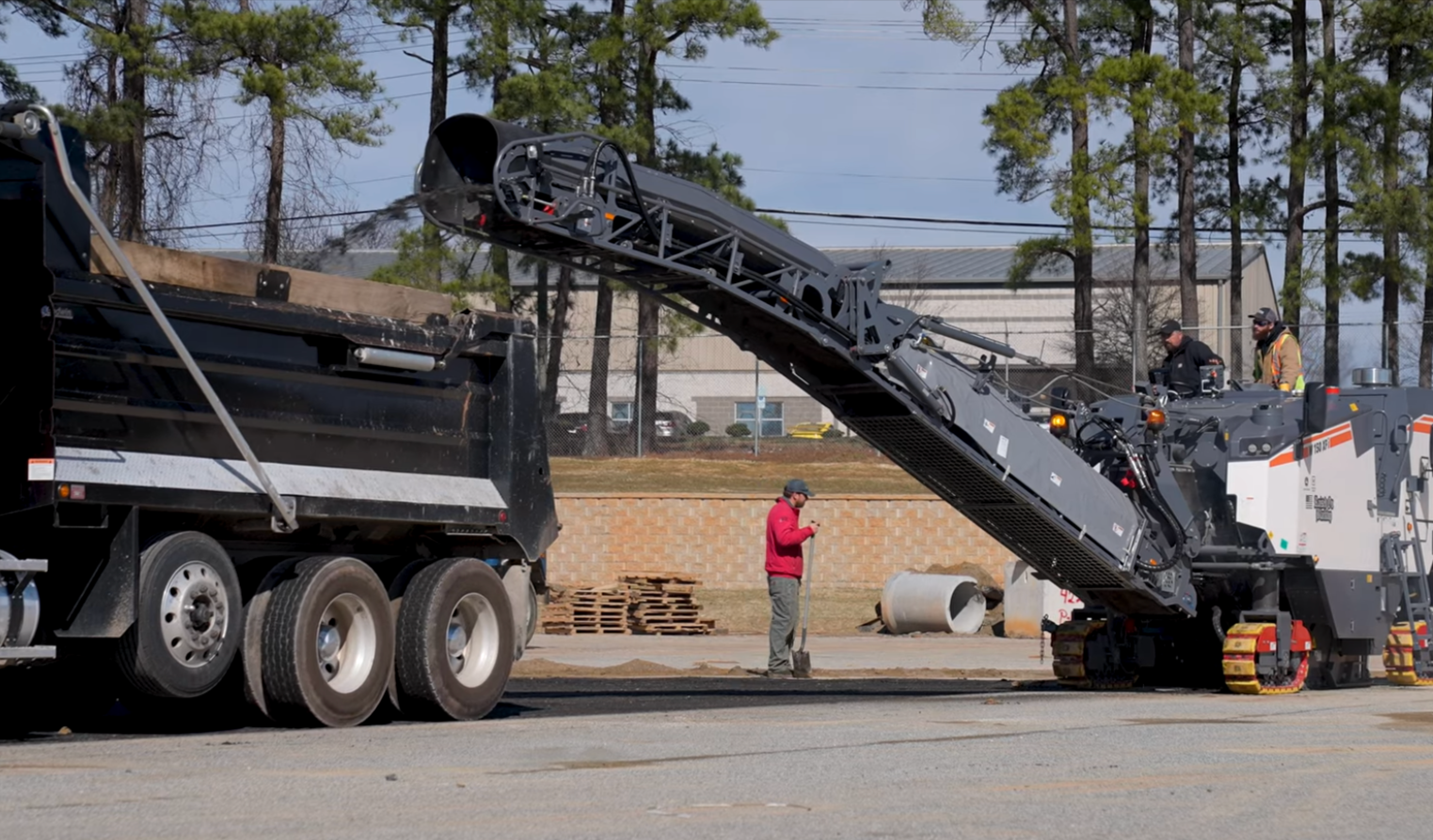
The process is completed using cold milling machines equipped with rotating cutting drums fitted with carbide teeth. These machines can be adjusted to mill very shallow surface layers or deeper structural corrections depending on the condition of the pavement. As the machine moves across the surface, it grinds the asphalt into small, uniform pieces while leaving behind a textured profile that improves mechanical bonding for the new overlay. Depth control is critical in this step, especially in areas near curbs, manholes, and drainage structures where precise grade matching is required.
The removed material, known as reclaimed asphalt pavement or RAP, is collected during the milling process and typically transported for recycling.
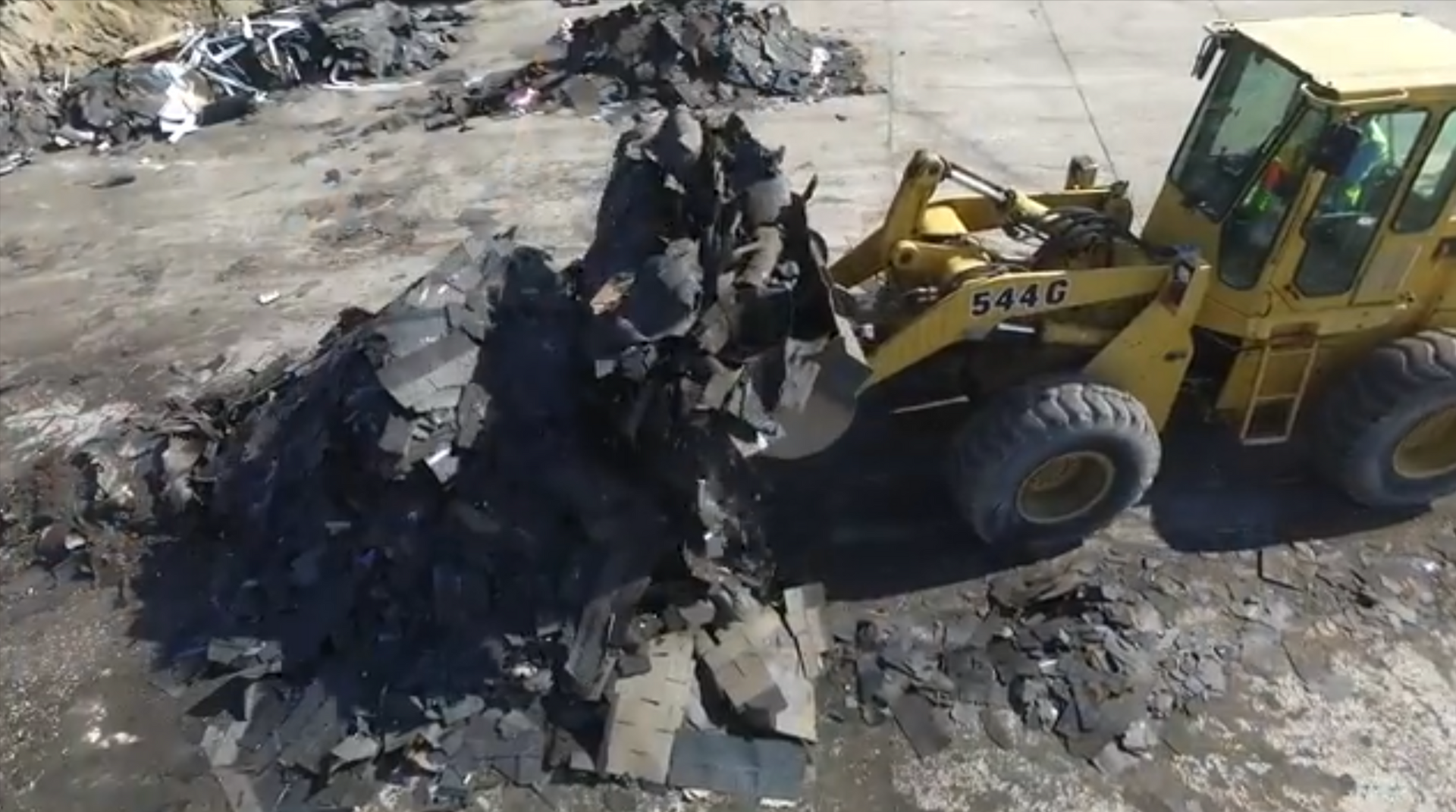
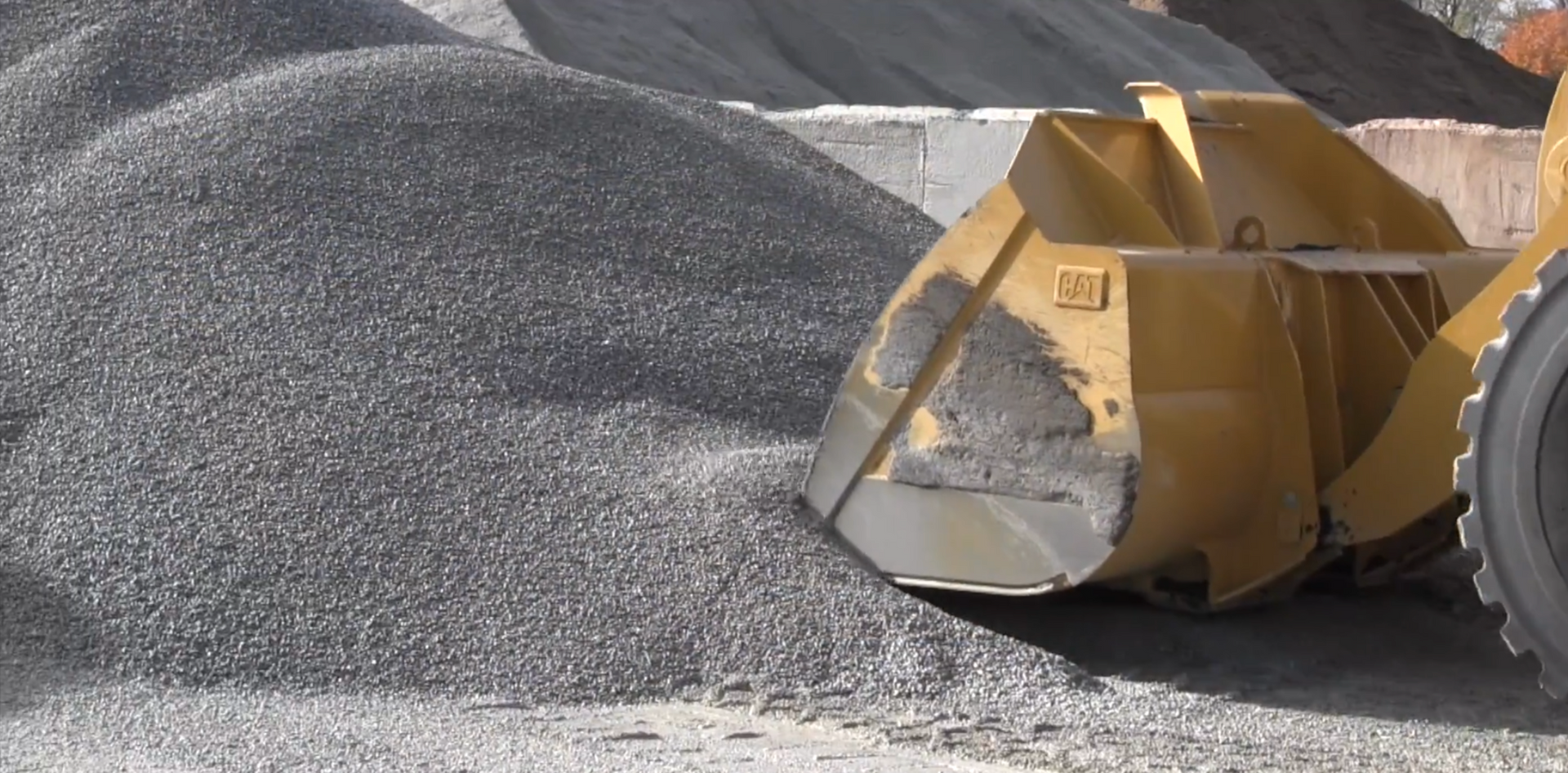
RAP is commonly reused in new asphalt mixes, making milling one of the more sustainable practices in the paving industry while also reducing disposal costs. After milling is complete, the surface is thoroughly swept and cleaned to remove loose material, dust, and debris so the new asphalt layer can properly bond without contamination. In many cases, tack coat is applied afterward to further improve adhesion between the milled surface and the new overlay.
When done correctly, asphalt milling provides a strong, cost-effective foundation for resurfacing projects, extending pavement life while correcting functional issues like drainage, surface wear, and elevation mismatch without the expense of full reconstruction.